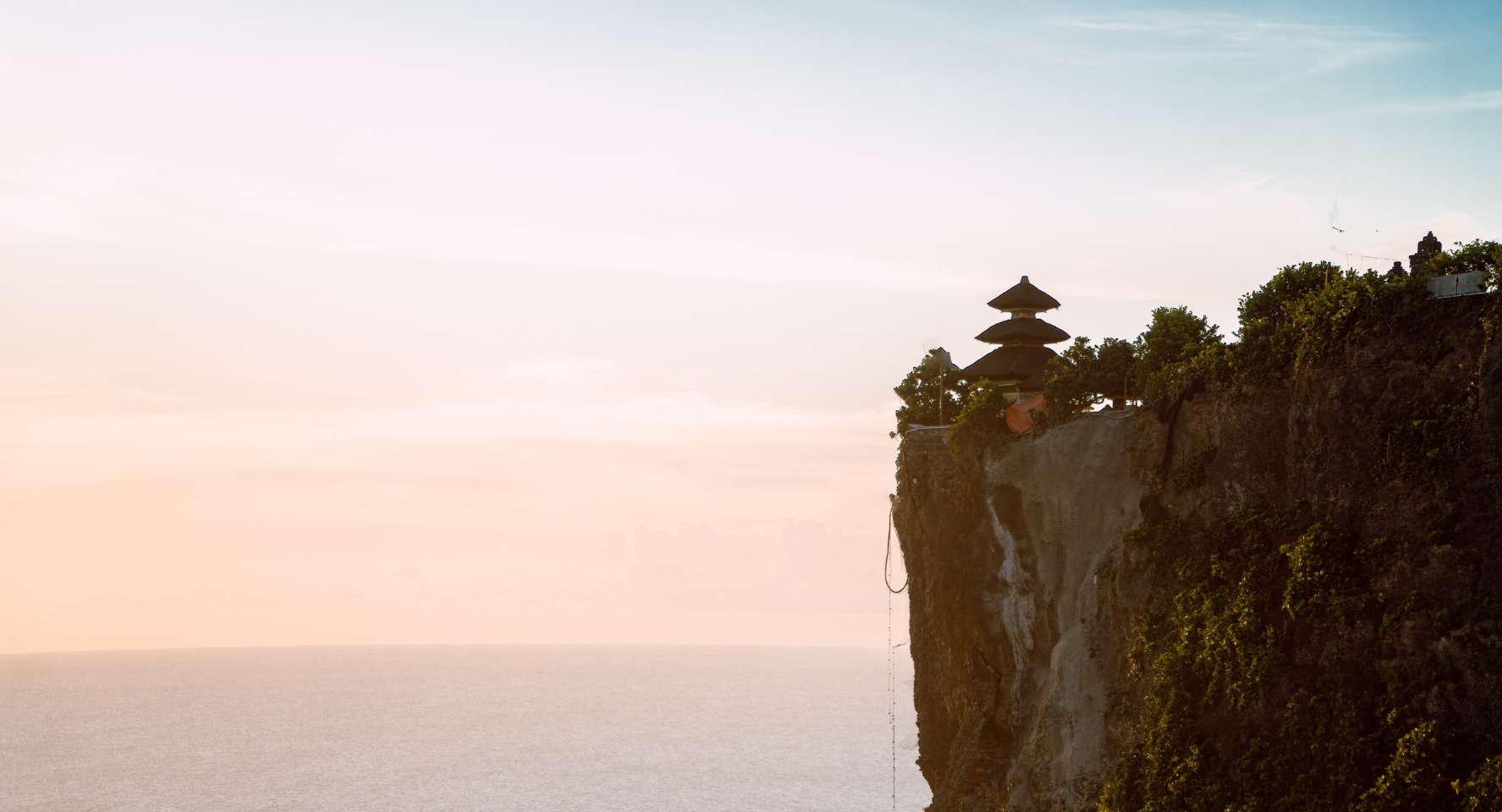
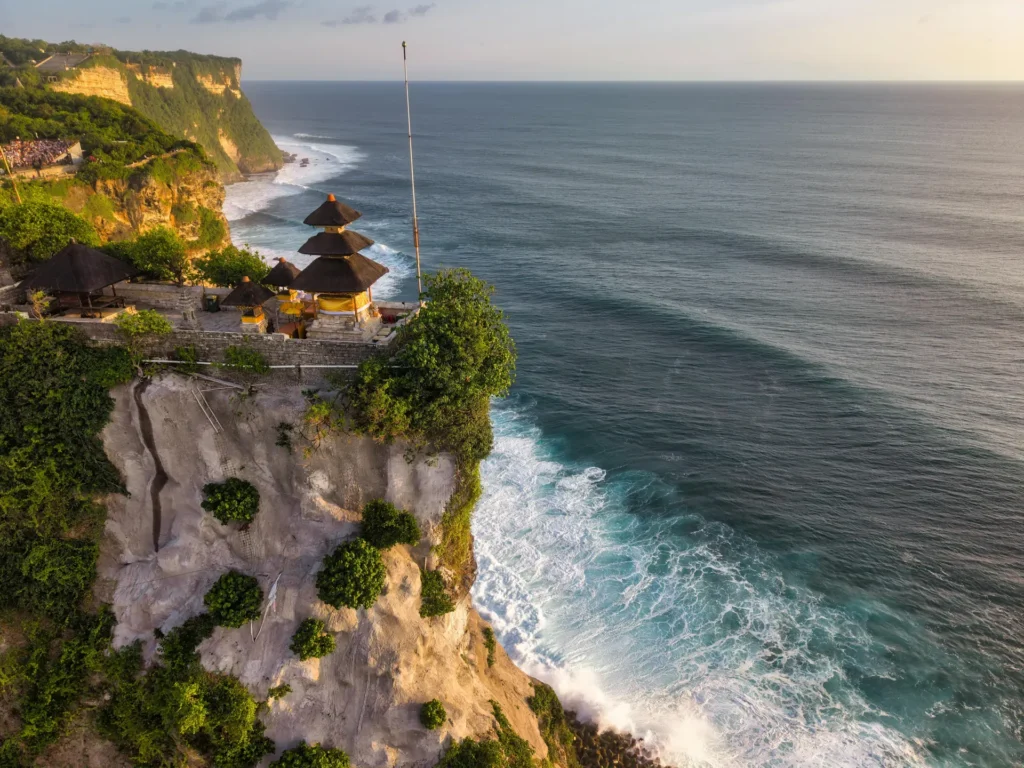
Uluwatu Temple is the single most-visited attraction on this side of Bali, and it earns the reputation. Perched on a limestone cliff around 70 metres above the Indian Ocean, it’s a working Balinese Hindu sea temple with genuinely dramatic views — and, most evenings, a Kecak Fire Dance performance that draws a crowd well before sunset.
Here’s what you actually need to know before you go, based on current opening hours, fees, and the small details that make the difference between a smooth visit and a frustrating one.
opening Hours & Entrance Fee
The temple complex is open daily, generally from around 7:00am to 7:00pm, with prices set in Indonesian Rupiah. Expect a modest entrance fee per adult, with reduced pricing for children — these fees occasionally adjust, so it’s worth treating any number you read (including ours) as an estimate and confirming on arrival.
A small parking fee applies if you’re driving or being dropped off by car.
Tip: Bring cash in IDR. Ticket booths at the entrance don’t always reliably process card or QRIS payments.
Visiting for the Temple itself vs Visiting for the Kecak Dance
These are technically two separate things, though most visitors do both in the same trip:
- The temple grounds and clifftop walk are open all day and worth visiting any time, but the light is best in the late afternoon.
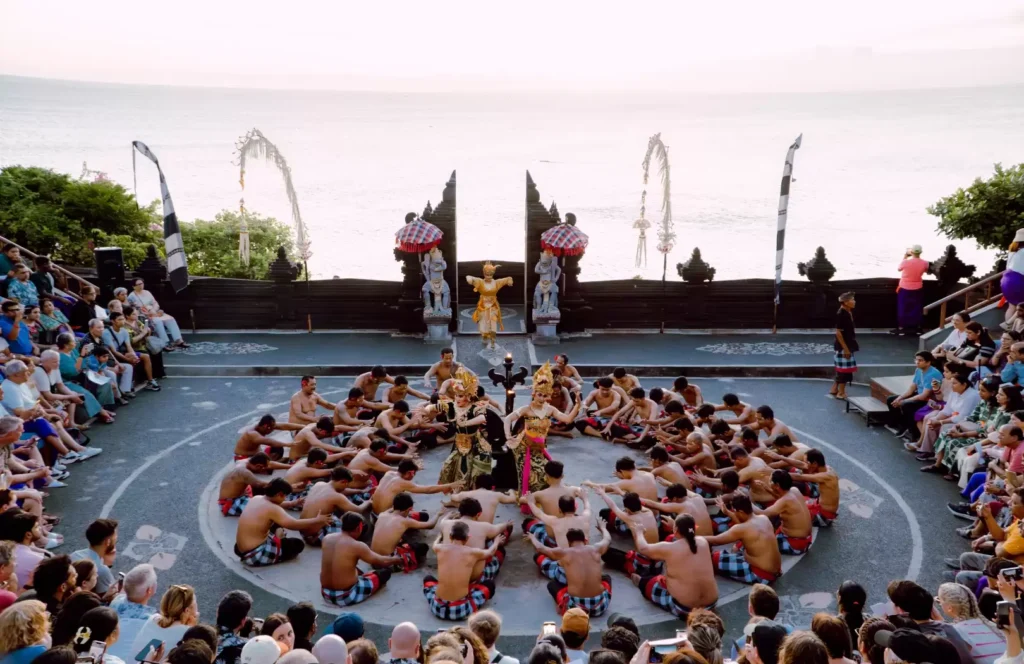
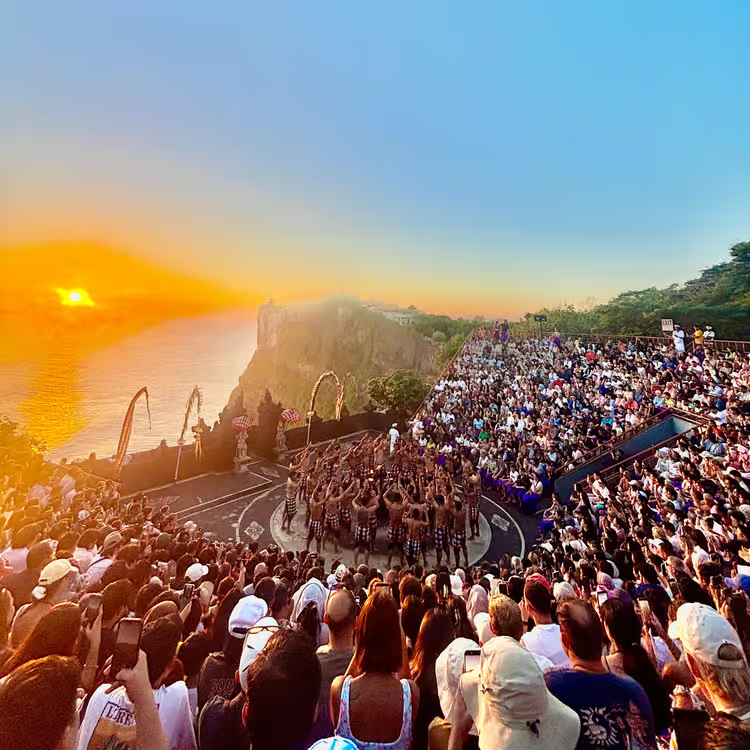
- The Kecak Fire Dance is a separate ticketed performance, typically running in the early evening as the sun sets, staged in an open-air amphitheater within the temple grounds.
If you only have time for one, the dance is the more memorable experience for most first-time visitors — but pairing it with an earlier walk along the cliff paths (before the performance crowd arrives) gives you the best of both.
What to Wear: The Dress code Properly Explained
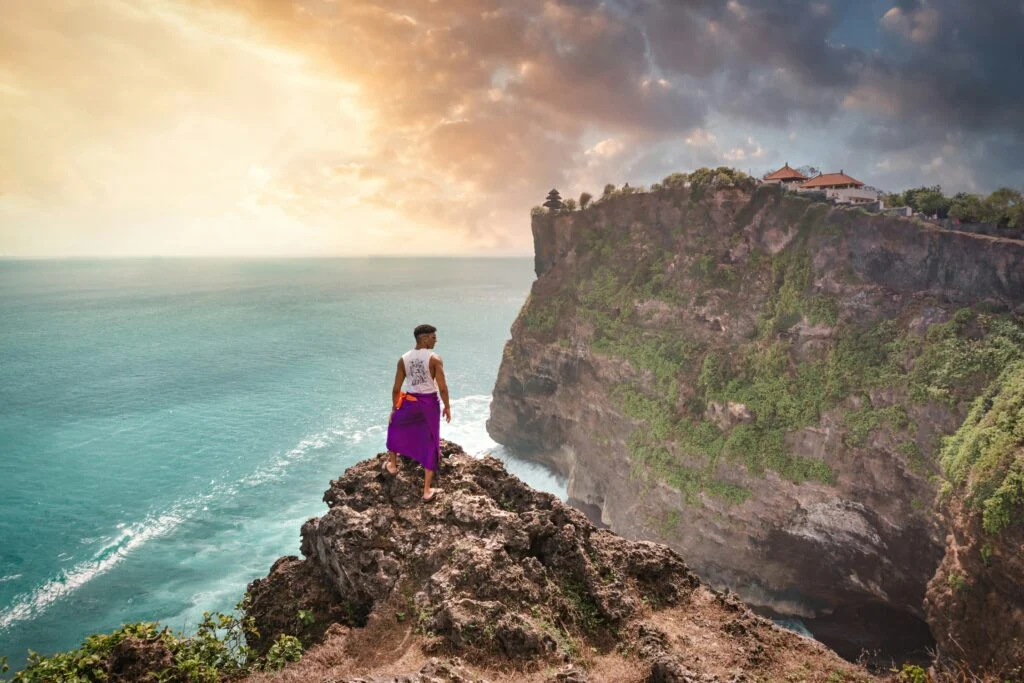
Uluwatu Temple is an active place of worship, and modest dress is expected — covering shoulders and knees is the general guideline. In practice, the temple provides sarongs and sashes free of charge at the entrance for anyone who needs extra coverage, so you don’t need to plan an entire outfit around it. If you’re already in long pants or a maxi dress, you’ll likely just be handed a sash; if your legs are exposed, you’ll get a sarong as well.
This isn’t enforced with the same strictness as the temple’s main prayer areas — you won’t be turned away for a t-shirt and shorts — but it is a sacred site, and dressing respectfully (and avoiding swimwear entirely) goes a long way. Many visitors keep the sarong on for photos even after entering, simply because it adds to the experience.
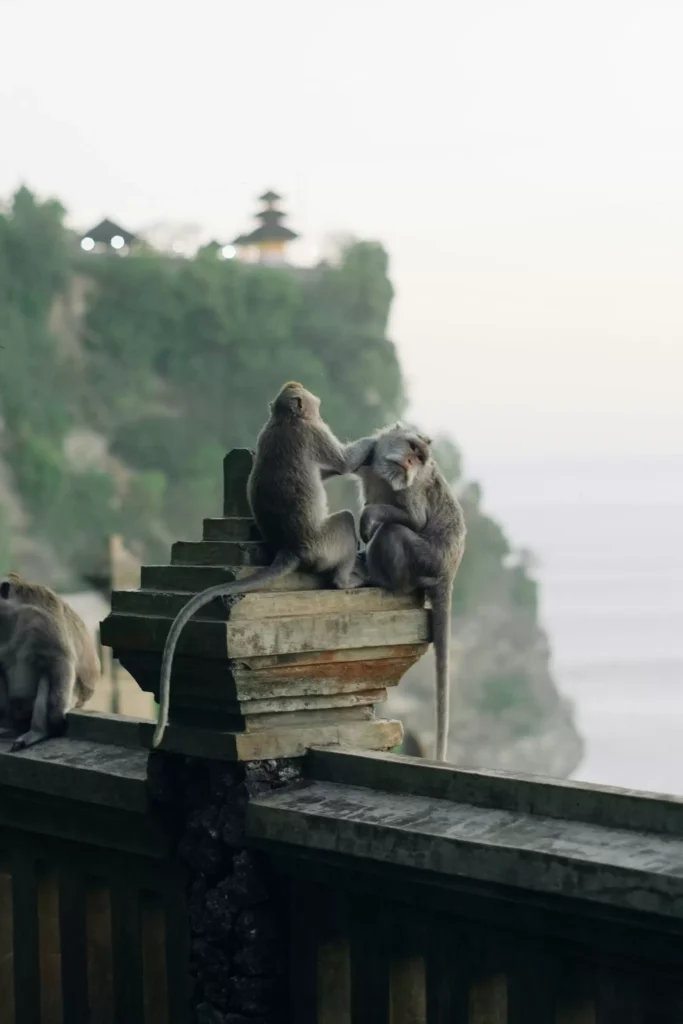
The Monkeys: a genuinely Useful warning, not just a fun fact!
The temple grounds are home to a resident population of long-tailed macaques, and they are extremely good at stealing things. Sunglasses, hats, phones, and loose snacks are the most common targets — they’re after opportunity, not aggression, but losing your phone over the cliff edge is a real risk if you’re not careful.
Practical advice:
If a monkey does take something, temple handlers nearby can often help negotiate it back, sometimes using fruit as a trade.
Remove sunglasses and hats before walking the cliff paths, rather than risk one being snatched off your head.
Keep phones and cameras secured in a pocket or bag with a zip, not held loosely.
Best time to visit to avoid the crowds
Mornings (roughly 7:00–9:00am) are the quietest window, with cooler air and far fewer visitors on the cliff paths. If sunset and the Kecak Dance are the priority, arriving by around 4:30–5:00pm gives you enough time to get your sarong sorted, secure your belongings, walk the paths, and find a good viewpoint before the performance crowd peaks.
Avoid arriving right at performance time if you can — the last 30 minutes before the show starts is when the amphitheater fills up fastest. with links
How long to Allow?
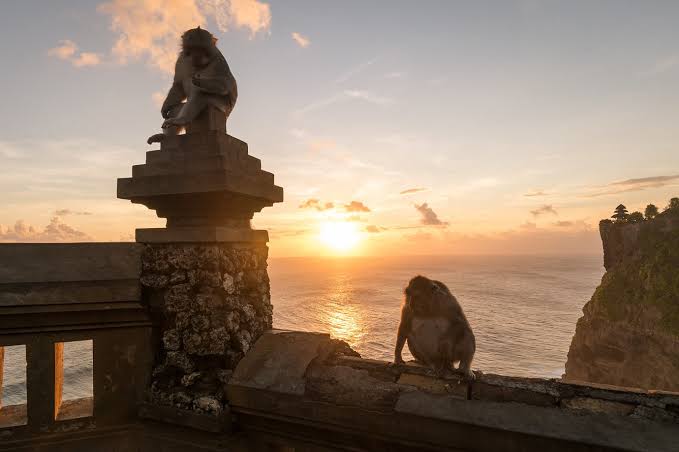
For a simple temple visit without the dance, 1.5–2 hours is enough to walk the grounds at an unhurried pace. If you’re staying for the Kecak performance as well, build in extra time before and after — the show itself runs about an hour, and traffic leaving the area afterward can be heavy, sometimes taking well over an hour to clear toward Kuta or Seminyak.
What if it Rains?
The Kecak Dance is performed in a fully open-air amphitheater with no roof. Light rain usually doesn’t stop the show, though the fire segment is sometimes skipped or altered for safety. Heavier rain can lead to a postponement, though full cancellations are uncommon outside the wet season. If you’re visiting between November and March, it’s worth packing a light poncho just in case.
Frequently Asked Questions:
o I need to book Kecak Dance tickets in advance?
It’s generally possible to buy tickets on arrival, but during peak season or sunset hours, arriving early to secure a seat is more important than pre-booking — seats fill up close to showtime.
What should I wear to Uluwatu Temple?
Modest clothing covering shoulders and knees is the guideline; sarongs and sashes are provided free at the entrance if you need them.
Are the monkeys at Uluwatu Temple dangerous?
They’re not aggressive toward people in the way the question implies, but they are skilled at taking unsecured items like phones, sunglasses, and hats. Keep valuables secured rather than worrying about a direct confrontation.
What time is sunset at Uluwatu Temple?
This varies by season, roughly between 6:00 and 6:30pm year-round in Bali, with the Kecak Dance timed to coincide with it.
Is Uluwatu Temple worth visiting if I’ve seen other Bali temples?
Yes — the clifftop setting and ocean views are distinct from Bali’s inland temples, and the Kecak Dance performance here is one of the most atmospheric versions of the show on the island.
Staying in Pecatu puts you closest to the temple — usually just a short drive. See our villas near Uluwatu Temple or check the full where-to-stay guide for more on the area.